What Is Testosterone Replacement Therapy (TRT)?
Testosterone Replacement Therapy (TRT) is a medical treatment used to restore low testosterone levels ...
What Is Testosterone Replacement Therapy (TRT)?
Testosterone Replacement Therapy (TRT) is a medical treatment used to restore low testosterone levels in men. Testosterone is the primary male sex hormone responsible for:
- Muscle mass and strength
- Energy levels
- Libido and sexual performance
- Mood and mental clarity
- Bone density
- Fat distribution
- Hair growth
As men age, testosterone production naturally declines. In some men, levels drop significantly below the healthy range, leading to symptoms that affect physical health, mental wellbeing, and quality of life.
TRT works by supplementing testosterone through medically prescribed treatments such as:
- Testosterone injections
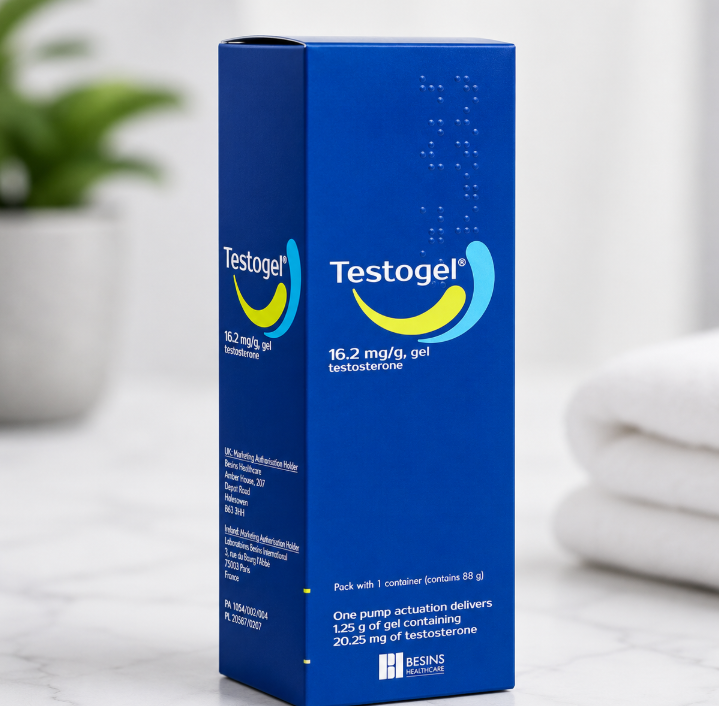
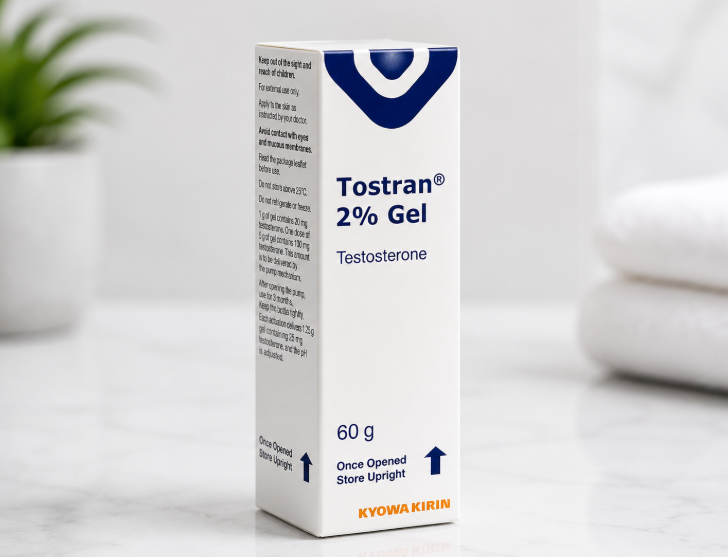
- Topical gels or creams
- Patches
- Pellets
- Oral medications (in some cases)
The goal of TRT is to restore testosterone to an optimal range under professional medical supervision.
What Causes Low Testosterone?
Low testosterone, also known as male hypogonadism, can occur for several reasons, including:
- Aging
- Chronic stress
- Obesity
- Diabetes
- Sleep apnea
- Certain medications
- Pituitary gland disorders
- Testicular injury or illness
Testosterone levels typically begin to decline after age 30, often decreasing by around 1% per year.
Common Symptoms of Low Testosterone
Men with low testosterone may experience:
- Low sex drive
- Erectile dysfunction
- Fatigue and low energy
- Reduced muscle mass
- Increased body fat
- Difficulty concentrating (“brain fog”)
- Depression or low mood
- Poor sleep quality
- Reduced motivation
- Hair thinning
If you experience several of these symptoms consistently, a testosterone blood test may help determine whether low testosterone is the underlying cause.
Who Is TRT Recommended For?
TRT is recommended for men who:
- Have clinically low testosterone levels confirmed through blood testing
- Experience symptoms associated with low testosterone
- Have been evaluated by a qualified medical professional
TRT may be appropriate for men suffering from:
- Age-related testosterone decline
- Hypogonadism
- Hormonal imbalance
- Persistent fatigue and low libido linked to low testosterone
However, TRT is not suitable for everyone. Men with certain medical conditions may require alternative treatment approaches.
At RapidMeds, every TRT treatment plan begins with a GP (professional medical) assessment and lab testing to ensure treatment is safe and appropriate.
Benefits of Testosterone Replacement Therapy
When properly prescribed and monitored, TRT can provide significant health and lifestyle benefits.
Increased Energy Levels
One of the most common benefits of TRT is improved energy and reduced fatigue. Many men report feeling more motivated, productive, and physically active.
Improved Libido and Sexual Performance
Healthy testosterone levels play a critical role in sexual health. TRT may help improve:
- Sex drive
- Erectile function
- Sexual satisfaction
Increased Muscle Mass and Strength
Testosterone supports muscle growth and physical performance. TRT may help men:
- Build lean muscle
- Improve workout recovery
- Increase strength
Reduced Body Fat
Low testosterone is associated with increased fat storage, particularly around the abdomen. TRT may support improved body composition when combined with exercise and nutrition.
Better Mood and Mental Clarity
Many men undergoing TRT report improvements in:
- Confidence
- Mood stability
- Focus and concentration
- Mental clarity
Improved Bone Density
Healthy testosterone levels help maintain strong bones and reduce the risk of osteoporosis.
Risks and Side Effects of TRT
Like any medical treatment, Testosterone Replacement Therapy carries potential risks and side effects. This is why medical supervision is essential.
Possible TRT side effects include:
- Acne or oily skin
- Increased red blood cell count
- Fluid retention
- Breast tenderness
- Sleep apnea worsening
- Mood changes
- Reduced fertility
- Testicular shrinkage
Some studies have also explored possible links between TRT and cardiovascular health, although research remains ongoing and individualized medical evaluation is important.
Because TRT can affect hormone balance and overall health markers, regular monitoring through blood tests and clinical reviews is critical.
At RapidMeds, patient safety is our priority. We provide ongoing monitoring to help ensure safe, effective, and optimized treatment outcomes.
Is TRT Safe?
For men with medically confirmed low testosterone, TRT can be safe and highly effective when managed by experienced healthcare professionals.
Safe TRT treatment includes:
- Comprehensive blood testing
- Personalized dosing
- Routine monitoring
- Ongoing medical support
- Lifestyle guidance
Self-administering testosterone without medical oversight can be dangerous and is strongly discouraged.
How Do You Know If You Need TRT?
The only reliable way to determine whether you may benefit from TRT is through:
- Symptom evaluation
- Comprehensive hormone testing
- Medical consultation
Symptoms alone do not confirm low testosterone, as other health conditions can cause similar issues.
A professional TRT clinic can assess your hormone levels and create a personalized treatment plan if appropriate.
Why Men Choose RapidMeds for TRT
At RapidMeds, we offer a professional, discreet, and GP lead/supervised approach to Testosterone Replacement Therapy.
Our TRT services include:
- Comprehensive hormone assessments
- Personalized TRT treatment plans
- Ongoing monitoring and support
- Expert medical guidance
- Convenient online consultations
We help men safely optimize testosterone levels to improve energy, confidence, performance, and overall wellbeing.
Final Thoughts
Testosterone Replacement Therapy (TRT) can be life-changing for men suffering from low testosterone symptoms. From improved energy and libido to better mood and body composition, TRT offers a medically guided path toward feeling healthier and more confident.
However, TRT is not a one-size-fits-all solution. Proper testing, diagnosis, and medical supervision are essential to achieving safe and effective results.
If you’re experiencing symptoms of low testosterone and want to learn whether TRT may be right for you, RapidMeds can help you take the next step with expert guidance and personalized care.