Altitude Sickness: Symptoms, Causes, Prevention & Treatment | RapidMeds UK Guide
Learn about altitude sickness (Acute Mountain Sickness), includin...
Altitude Sickness: Symptoms, Causes, Prevention & Treatment | RapidMeds UK Guide
Learn about altitude sickness (Acute Mountain Sickness), including symptoms, causes, prevention and treatment. Stay safe at high altitudes with expert advice from RapidMeds UK.
What is Altitude Sickness?
Altitude sickness, also known as Acute Mountain Sickness (AMS), is a condition that can occur when you travel to high altitudes too quickly, typically above 2,500 metres (8,000 feet), without allowing your body enough time to adjust to lower oxygen levels.
As altitude increases, the air becomes thinner, meaning there is less oxygen available. This can affect how your body functions, particularly the brain and lungs.
What Causes Altitude Sickness?
Altitude sickness is caused by reduced air pressure and lower oxygen levels at high elevations. Common contributing factors include:
- Ascending too quickly without acclimatisation
- Skipping rest days at higher altitudes
- Physical exertion shortly after arrival
- Previous history of altitude sickness
- Dehydration
Symptoms of Altitude Sickness
Symptoms usually develop within 6 to 24 hours of reaching a higher altitude and can range from mild to severe.
Mild to Moderate Symptoms:
- Headache
- Dizziness or light-headedness
- Nausea or vomiting
- Loss of appetite
- Fatigue or weakness
- Difficulty sleeping
Severe Symptoms (Medical Emergency):
- Shortness of breath at rest
- Persistent cough, possibly with frothy sputum
- Confusion or reduced consciousness
- Loss of coordination (ataxia)
Serious Forms of Altitude Sickness
In more severe cases, altitude sickness can develop into life-threatening conditions:
High Altitude Cerebral Oedema (HACE)
Swelling of the brain, which can lead to confusion, loss of coordination and unconsciousness.
High Altitude Pulmonary Oedema (HAPE)
A build-up of fluid in the lungs, causing severe breathing difficulties and reduced oxygen levels.
How to Prevent Altitude Sickness
Prevention is the most effective approach. Follow these practical tips:
- Ascend gradually (no more than 300–500 metres per day above 2,500 metres)
- Allow time for acclimatisation
- Stay well hydrated
- Avoid alcohol and smoking
- Eat light, high-carbohydrate meals
- Avoid strenuous activity for the first 24–48 hours
Treatment for Altitude Sickness
Treatment depends on the severity of your symptoms:
Mild Cases:
- Rest at the same altitude
- Drink plenty of fluids
- Take simple pain relief for headaches
Moderate to Severe Cases:
- Descend immediately to a lower altitude
- Use supplemental oxygen if available
- Seek medical attention promptly
Medications for Altitude Sickness
Certain medications can help prevent or reduce symptoms:
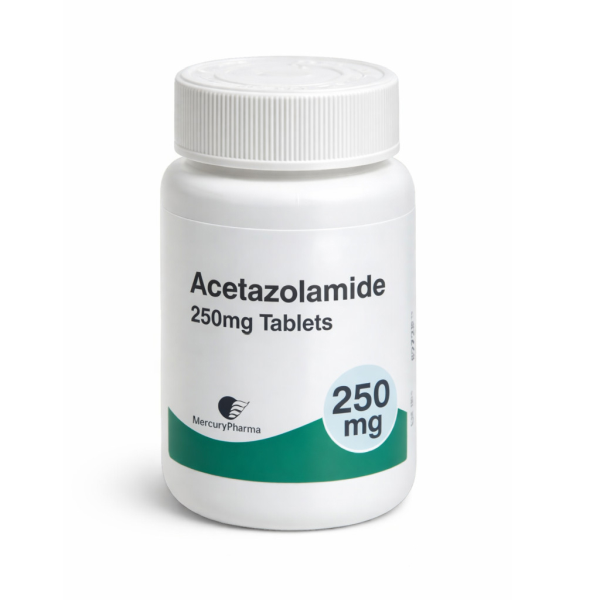
- Acetazolamide (Diamox): Helps speed up acclimatisation
- Paracetamol or Ibuprofen: For headache relief
- Anti-sickness medication: To manage nausea
When Should You Seek Medical Help?
Seek urgent medical advice if you experience:
- Severe breathlessness
- Confusion or altered mental state
- Worsening symptoms despite rest
- Difficulty walking or maintaining balance
RapidMeds Travel Health Advice
If you’re planning a trip to high-altitude destinations such as the Alps or the Himalayas, it’s important to prepare in advance:
- Speak to one of our healthcare professional before travelling
- Carry a well-stocked travel health kit
- Ensure you have appropriate medications
- Take out comprehensive travel insurance
For further reading please check the link:
https://www.nhs.uk/conditions/altitude-sickness/