What Is Menopause?
Menopause is officially diagnosed after 12 consecutive months without a menstrual period. It usually occurs between the ages of 45 ...
What Is Menopause?
Menopause is officially diagnosed after 12 consecutive months without a menstrual period. It usually occurs between the ages of 45 and 55, although symptoms can begin several years earlier during perimenopause, the transitional phase leading up to menopause.
Postmenopause refers to the years after menopause, when hormone levels stabilise at a lower level, but some symptoms may persist.
Why Do Menopausal Symptoms Occur?
Menopausal symptoms are primarily caused by a gradual decline in the hormones oestrogen and progesterone, which play key roles in regulating:
- Body temperature
- Menstrual cycles
- Bone density
- Mood and cognitive function
- Vaginal and urinary health
As hormone levels fluctuate and eventually decrease, the body adapts—often resulting in a range of physical and emotional symptoms.
Common Menopausal Symptoms
Every woman’s experience is unique. Symptoms may be mild for some and more disruptive for others. Common symptoms include:
Physical Symptoms
- Hot flushes and night sweats
- Sleep disturbances and insomnia
- Fatigue and low energy
- Joint and muscle aches
- Headaches
- Weight gain and changes in metabolism
- Vaginal dryness and discomfort
- Urinary urgency or recurrent urinary symptoms
Emotional and Cognitive Symptoms
- Mood swings and irritability
- Anxiety or low mood
- Difficulty concentrating (“brain fog”)
- Reduced confidence or motivation
Managing Menopausal Symptoms Without HRT
Not all women can or wish to use hormone replacement therapy (HRT). Non‑HRT approaches can be effective, particularly when tailored to individual symptoms and lifestyle.
1. Lifestyle and Behavioural Strategies
Small, consistent changes can make a meaningful difference:
- Maintaining a cool sleep environment to reduce night sweats
- Wearing light, breathable clothing
- Managing stress through mindfulness, yoga, or relaxation techniques
- Engaging in regular physical activity, including strength and weight‑bearing exercises
- Limiting triggers such as spicy foods, caffeine, and alcohol
2. Nutrition and Supplements
A balanced diet supports hormonal health and overall wellbeing:
- Adequate calcium and vitamin D for bone health
- Phytoestrogen‑containing foods (such as soy, flaxseed, and legumes)
- Supplements such as magnesium, B‑complex vitamins, or omega‑3 fatty acids, where appropriate
Always consult a healthcare professional before starting new supplements.
3. Non‑Hormonal Medications
Certain prescription and over‑the‑counter options may help specific symptoms, including:
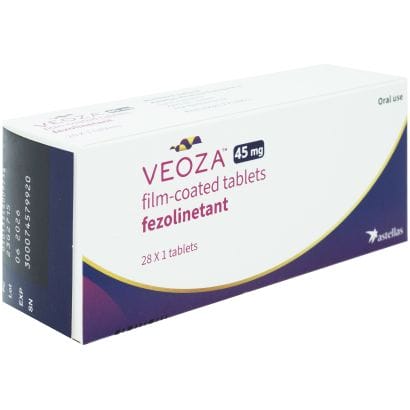
- Non‑hormonal treatments for hot flushes and night sweats
- Medications to support sleep quality
- Options for mood and anxiety symptoms
- Non‑hormonal vaginal products for dryness and discomfort
These treatments work through mechanisms other than hormones and may be suitable for women who cannot take HRT.
4. Vaginal and Urogenital Care
Local, non‑hormonal moisturisers and lubricants can help manage:
- Vaginal dryness
- Pain during intimacy
- Recurrent irritation or discomfort
Regular use can significantly improve comfort and quality of life.
When to Seek Medical Advice
If menopausal symptoms are persistent, worsening, or interfering with daily life, it’s important to seek professional advice. A personalised approach ensures symptoms are managed safely, taking into account medical history, preferences, and long‑term health.
Support from RapidMeds
RapidMeds provides discreet, convenient access to non‑HRT treatment options, supported by qualified healthcare professionals. Our goal is to help women navigate menopause with confidence, comfort, and clear information—so you can choose the approach that’s right for you.
Menopause is a transition, not an endpoint. With the right support and management, many women continue to feel healthy, active, and in control during this stage of life.
For further reading please check the link:
https://www.nhs.uk/conditions/menopause/