

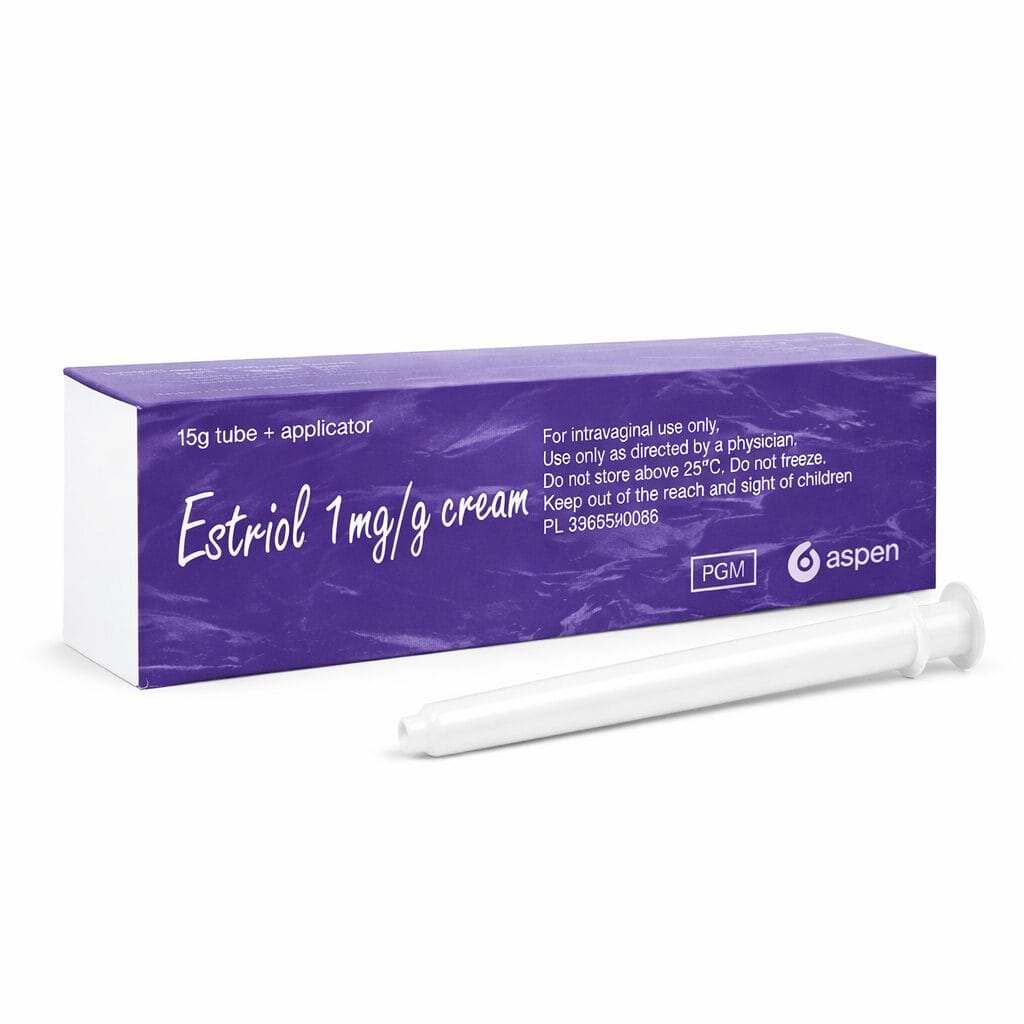
Description
Estriol Cream for Menopause: Uses, Benefits, and Safety
Estriol cream is a form of hormone replacement therapy (HRT) commonly used to help manage menopausal and postmenopausal symptoms, particularly those affecting the vaginal and urinary tissues. At RapidMeds, we aim to provide clear, evidence-based information so you can make informed decisions about your treatment options.
What Is Estriol Cream?
Estriol is a naturally occurring estrogen and one of the three main estrogens produced by the body (alongside estradiol and estrone). Estriol cream is typically applied topically or vaginally and is considered a low-potency estrogen, making it a popular option for localized hormone replacement therapy.
It is most often prescribed to relieve symptoms caused by declining estrogen levels during menopause.
How Estriol Cream Is Used in Hormone Replacement Therapy
Estriol cream is used as local estrogen therapy, meaning it primarily acts on the tissues where it is applied rather than circulating widely throughout the body. This makes it especially effective for treating urogenital symptoms of menopause.
Common uses include:
- Vaginal application to restore estrogen levels in vaginal tissues
- Improving tissue elasticity, moisture, and blood flow
- Supporting urinary tract health in postmenopausal women
Treatment duration and frequency depend on individual needs and should always follow medical advice.
Benefits of Estriol Cream
Estriol cream may offer several benefits for menopausal symptom management, including:
- Relief from vaginal dryness, itching, and burning
- Reduced pain or discomfort during intercourse
- Improved vaginal tissue thickness and elasticity
- Support for urinary symptoms such as urgency or recurrent infections
- Lower systemic estrogen exposure compared to oral HRT
Because estriol is weaker than other estrogens, it is often preferred for women who need symptom relief with minimal systemic effects.
Possible Risks and Side Effects
Although estriol cream is generally well tolerated, side effects can occur.
Common side effects:
- Local irritation or redness at the application site
- Vaginal discharge
- Breast tenderness
- Mild abdominal discomfort
Less common but potential risks:
- Hormonal stimulation of estrogen-sensitive tissues
- Spotting or breakthrough bleeding
- Increased risk when used long-term without medical supervision
While estriol is considered lower risk than stronger estrogens, it is still a hormone therapy and should be used appropriately.
Cautions and Precautions
Estriol cream should be used with caution if you:
- Have a history of estrogen-sensitive conditions
- Experience unexplained vaginal bleeding
- Are using other forms of hormone therapy
- Have liver disease or a history of blood clots
Regular medical review is recommended for anyone using hormone replacement therapy.
Contraindications
Estriol cream is not suitable for everyone. It may be contraindicated in individuals with:
- Known or suspected estrogen-dependent cancers (such as breast or endometrial cancer)
- Active or previous blood clots or clotting disorders
- Undiagnosed vaginal bleeding
- Known hypersensitivity to estriol or cream ingredients
Always inform your healthcare provider of your full medical history before starting treatment.
Is Estriol Cream Right for You?
Estriol cream can be an effective option for managing localized menopausal symptoms, particularly vaginal and urinary discomfort. Its lower estrogen potency and localized action make it a commonly prescribed choice for many women.
At RapidMeds, we recommend consulting our qualified healthcare professional to determine whether estriol cream is appropriate for your individual needs and to ensure safe, effective use.
Reviews
There are no reviews yet.