0

No products in the cart.

0203 006 7008

Contraception Treatments

Contraception—also known as birth control—refers to the methods and medicines used to prevent pregnancy. Beyond pregnancy prevention, some contrac...
Read More

Our clinical team needs to ask you a few questions to assess which treatment is most appropriate and safe for you.

  • Takes 2 minutes
  • 100% Confidential

Summary of condition:

What Is Contraception?

Contraception includes a wide range of methods designed to prevent sperm from fertilizing an egg or to prevent implantation. Methods can be hormonal, non‑hormonal, barrier-based, long‑acting, or permanent. The right choice varies by individual needs, health history, lifestyle, and preferences.

Common categories include:

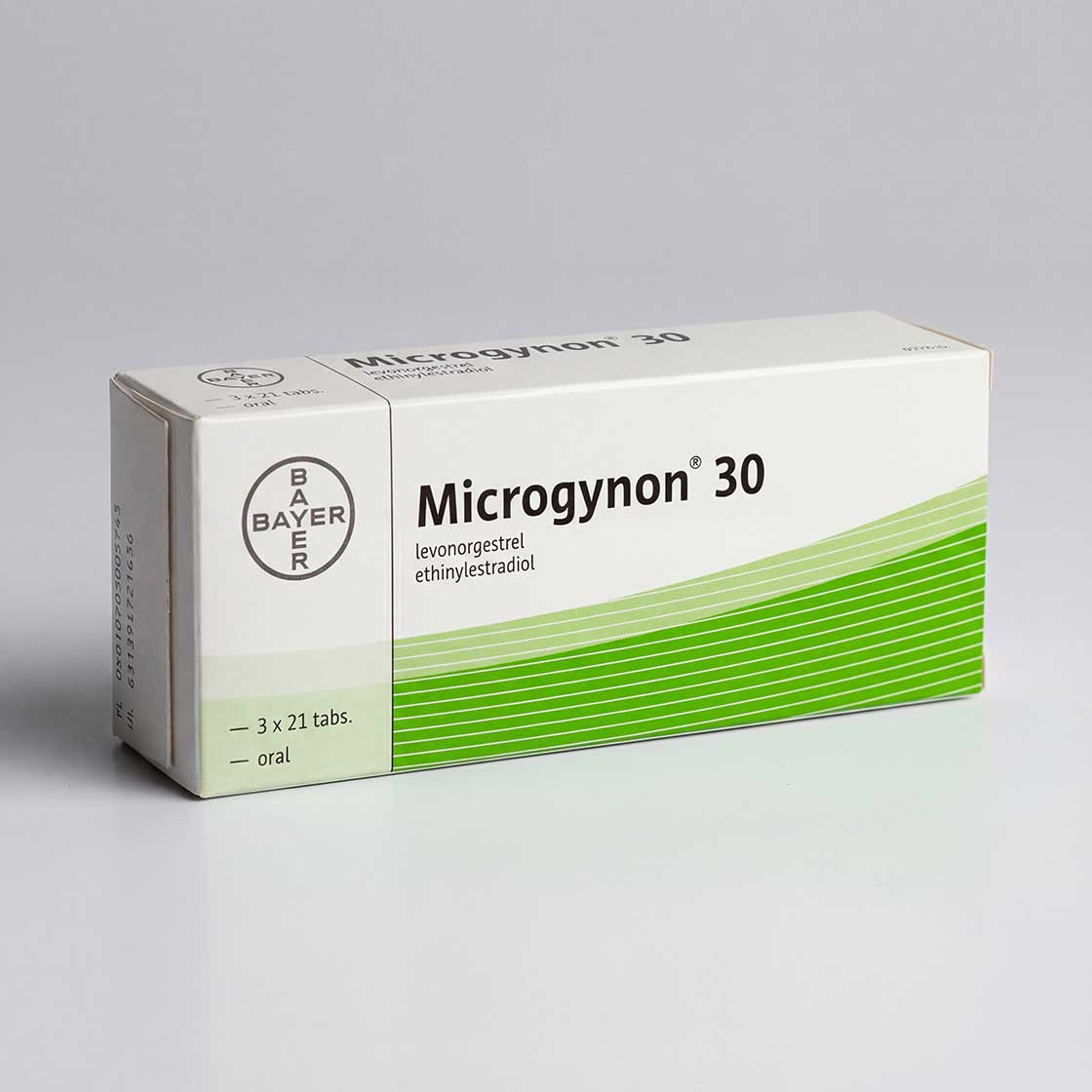
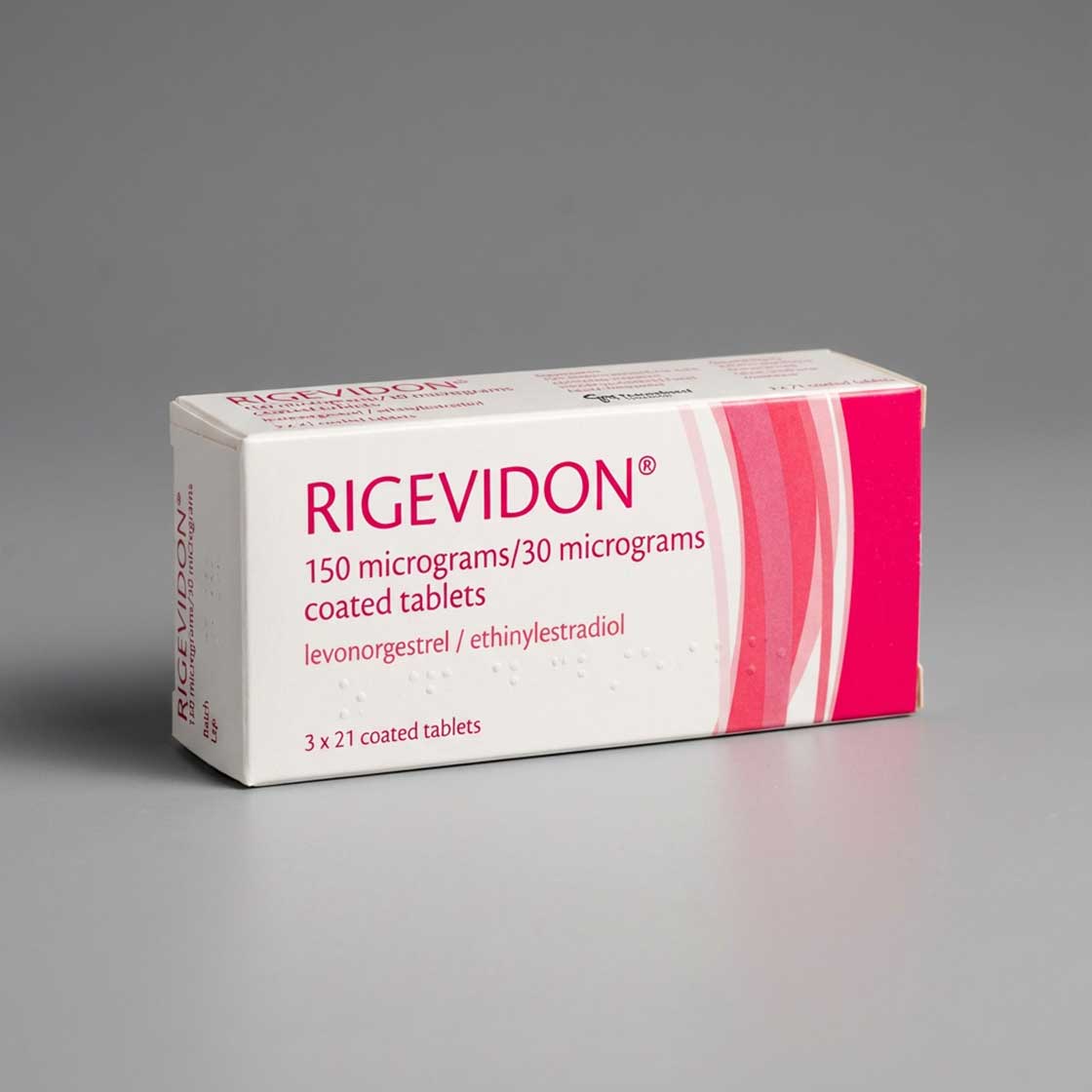
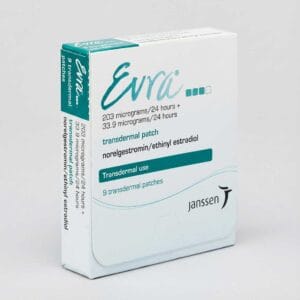
  • Hormonal methods: oral contraceptive pills, patches, injections, vaginal rings
  • Barrier methods: male and female condoms, diaphragms
  • Long‑acting reversible contraception (LARC): intrauterine devices (IUDs), implants
  • Emergency contraception: used after unprotected sex to reduce pregnancy risk
  • Permanent methods: tubal ligation, vasectomy

Benefits of Contraception

Contraception offers benefits that go beyond preventing pregnancy:

  • Effective pregnancy prevention when used correctly
  • Family planning and spacing of pregnancies
  • Menstrual regulation: lighter, more predictable periods for some users
  • Reduced menstrual pain and cramps
  • Management of certain conditions: acne, endometriosis, polycystic ovary syndrome (PCOS)
  • Lower risk of some cancers: long‑term use of certain hormonal contraceptives may reduce the risk of ovarian and endometrial cancer
  • Protection against sexually transmitted infections (STIs): condoms help reduce STI transmission

When Is Contraception Used?

Contraception may be used:

  • To prevent unintended pregnancy
  • To plan or delay pregnancy for personal, health, or economic reasons
  • To manage menstrual symptoms or hormone‑related conditions
  • After unprotected sex, through emergency contraception

Use can be short‑term or long‑term depending on the method chosen and individual goals.

Safety, Cautions, and Contraindications

Most contraceptive methods are safe for many people, but safety depends on the method and the individual’s health profile.

General Safety Considerations

  • Follow medical guidance and product instructions carefully.
  • Some methods require a prescription or clinical assessment.
  • Regular check‑ins with a healthcare professional help ensure ongoing safety.

Cautions

Extra care may be needed if you have:

  • A history of blood clots or clotting disorders
  • Migraine with aura
  • High blood pressure or heart disease
  • Liver disease
  • Diabetes with complications
  • Are a smoker over age 35 (for certain hormonal methods)

Contraindications

Certain contraceptives may not be suitable for individuals with:

  • Current or past blood clots, stroke, or heart attack (for combined hormonal methods)
  • Hormone‑sensitive cancers, such as breast cancer
  • Severe liver disease or liver tumors
  • Unexplained vaginal bleeding

At RapidMeds we can help you determine which options are appropriate for you.

Common Risk Factors

Risk factors that may influence contraceptive choice or safety include:

  • Age
  • Smoking status
  • Body mass index (BMI)
  • Personal or family history of cardiovascular disease
  • History of migraines
  • Current medications that may interact with hormonal contraceptives

Discussing these factors helps tailor contraception to individual needs.

Possible Side Effects

Side effects vary by method and person. Many are mild and improve over time.

Common side effects may include:

  • Nausea
  • Headache
  • Breast tenderness
  • Mood changes
  • Irregular bleeding or spotting
  • Weight changes (varies by method)

Less common but serious side effects (seek medical attention):

  • Severe chest pain or shortness of breath
  • Sudden vision changes
  • Severe headaches or weakness
  • Signs of blood clots (leg pain or swelling)

Choosing the Right Contraception

The best contraceptive is one that is safe, effective, and fits your lifestyle. Factors to consider include effectiveness, convenience, reversibility, side effects, and personal health history.

At RapidMeds, our goal is to support informed choices by providing reliable medications and guidance. If you’re unsure which option is right for you, consult our qualified healthcare professional before starting or changing contraception.


For further reading please check the link:


https://www.nhs.uk/contraception/

Rapidmeds customer reviews

Office 5, Hainault Business Park, Radiant House Unit 1, 28-30 Fowler Rd, United Kingdom

Kim Larkin Avatar
Kim Larkin

I was extremely impressed with the consultation and service from start to finish. A very efficient doctor, who listened to me and informed me all about my treatment... View more

Shuhinaz Rahman Avatar
Shuhinaz Rahman

I was extremely impressed with the detailed consultation. A very efficient, experienced and helpful doctor, I felt well-informed about my treatment... View more

Taniya Haque Avatar
Taniya Haque

A very fast and efficient service! Doctor consultation is very personalised and in depth, with any and all questions answered.... View more


Read More Review
0
Product added to cart View Cart ×

Your Cart

×